Sentence Mining for Language Learning in 2026: How to Build a Vocabulary System That Actually Transfers to Real Speech
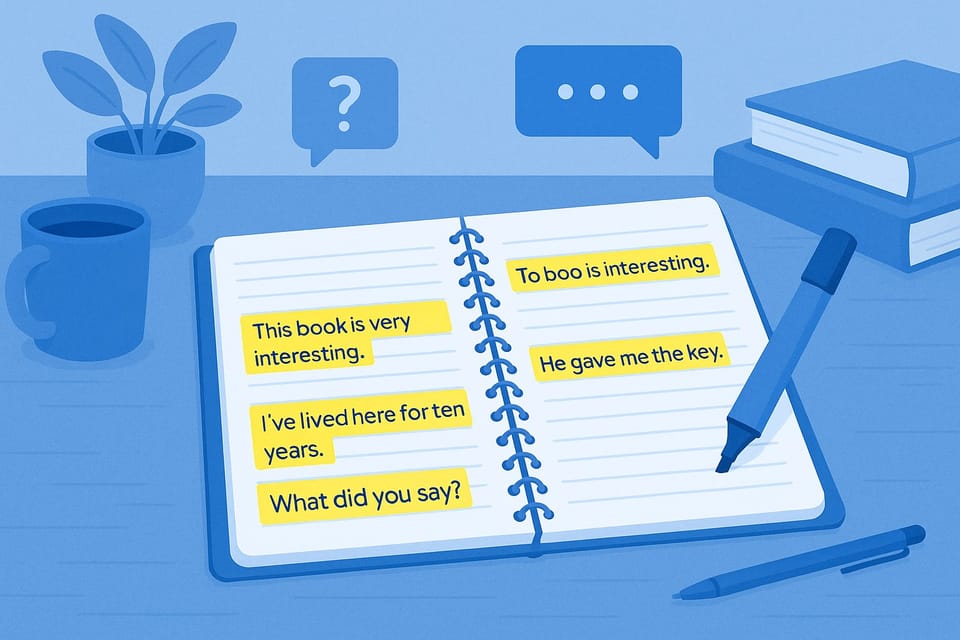
Sentence mining for language learning sounds nerdy as hell until you try it for two weeks and realize your brain finally stops treating the language like a pile of flashcards. Sentence mining for language learning works because you stop memorizing lonely words and start collecting language the way native speakers actually use it: in context, with rhythm, with grammar attached, and with a reason to remember it.
If you have already built some exposure through language immersion at home, practiced output with role play scenarios for language learning, or sharpened your ear with the language shadowing technique, sentence mining is the piece that helps those efforts stick. It turns random exposure into a reusable system.
Why sentence mining for language learning works better than isolated word lists
Traditional vocabulary study usually fails for one simple reason: words do not live alone. You do not really “know” a word just because you can match it to a translation once. You know it when you can recognize it inside a sentence, hear it at speed, understand what tone it carries, and eventually use it yourself without freezing.
That is why sentence mining works.
When you save a sentence instead of a single word, you learn:
- the target word inside a real context
- the grammar pattern attached to it
- natural collocations and word order
- register, tone, and rhythm
- how the sentence might actually show up in conversation
This lines up much better with how proficiency frameworks like the CEFR and ACTFL proficiency guidance think about language ability. Real progress is not “I memorized 500 nouns.” It is “I can understand and produce meaningful language in real situations.”
Sentence mining also fixes a common intermediate problem: you keep “learning” vocabulary that you never use. That happens because decontextualized words do not create enough memory hooks. A sentence does. Your brain gets a mini-scene, a social use case, and usually an emotional cue. That makes recall much easier.
There is also a motivation advantage. Mining from a show you like, a podcast you already follow, a game you are playing, or a book you actually care about beats the brakes off grinding generic app examples. Nobody remembers “the apple is red” forever. People remember the line from a scene that made them laugh.
What sentence mining for language learning actually is
Sentence mining for language learning is the practice of collecting useful sentences from native materials, reviewing them, and gradually turning them into comprehension and speaking assets.
A mined sentence is usually:
- mostly understandable
- interesting, funny, practical, or emotionally memorable
- short enough to review without pain
- built around one key unknown item or pattern
- something you could imagine hearing or saying again
That “mostly understandable” part matters. Communities like Refold’s sentence mining guide often talk about choosing low-friction sentences rather than grabbing a giant mess of unknown language. That is the sweet spot. If every card feels like decoding a legal contract, you are not mining anymore. You are volunteering to suffer.
A good mined sentence might teach you one new expression:
- “I’m leaning toward staying in tonight.”
- “That sounds way more expensive than I expected.”
- “I should’ve brought a charger.”
A bad mined sentence is usually too dense, too literary, too weird, or too irrelevant to your life.
How to start sentence mining for language learning without overcomplicating it
People love turning a good method into a weird religion. Do not do that. Start simple.
Step 1: Pick one main source of input
Choose one source where the language is just slightly above your comfort zone:
- a graded reader
- a YouTube channel with transcripts
- a Netflix show with subtitles
- a podcast plus transcript
- a newsletter or blog in your target language
You are looking for consistency, not novelty addiction.
Step 2: Mine 5 to 10 sentences per session
That is enough. Seriously. The goal is not to hoard 300 cards in a weekend and then resent your own existence by Tuesday.
Look for sentences with:
- one unknown word or phrase
- a grammar structure you keep seeing
- wording you would like to say yourself
- a pattern that explains something that used to confuse you
Step 3: Save the full sentence, not just the target word
Use a notes app, spreadsheet, or a spaced repetition tool like Anki. If you want a huge example database, tools like Tatoeba can help you cross-check natural phrasing.
Your basic card can include:
- the sentence in the target language
- a translation or gloss if needed
- audio if available
- the source
- one short note on what matters
Step 4: Review for recognition first
Do not force output too early. The first win is fast recognition.
When you review, ask:
- Do I understand this immediately?
- Can I hear the sentence in my head?
- Do I notice the key phrase without translating every word?
Once recognition is solid, then start adapting it.
Step 5: Turn mined sentences into your own speech
This is where the method stops being passive and starts paying rent.
Take a sentence like:
- “I’m leaning toward staying in tonight.”
Now mutate it:
- “I’m leaning toward taking the early train.”
- “I’m leaning toward skipping the meeting.”
- “I’m leaning toward ordering takeout.”
That one structure becomes a speaking tool instead of trivia.
The best sources for sentence mining for language learning in 2026
Not all input sources are equal. The best ones give you clarity, repetition, and language you might genuinely reuse.
Best for beginners
- graded readers
- learner podcasts with transcripts
- short subtitled videos
- simple dialogues from course material
Best for low-intermediate learners
- slice-of-life TV shows
- YouTube explainers
- lifestyle vlogs
- podcasts with clear narration
Best for intermediate and above
- interviews
- nonfiction newsletters
- novels with strong dialogue
- multiplayer gaming or streaming content
- niche podcasts tied to your interests or work
Your ideal source is one that creates repeated exposure to the same vocabulary field. If you bounce from cooking videos to legal commentary to anime to finance podcasts in one week, you get novelty but not much reinforcement.
This is also why sentence mining pairs well with language laddering for beginners. Once you have a stronger support language, you can mine from that bridge carefully and still keep your system focused.
Common mistakes that make sentence mining useless
Most people do not fail because sentence mining is weak. They fail because they make it bloated.
Mining sentences that are too hard
If you barely understand anything, the sentence will not stick. You are supposed to collect language just above your current level, not flex your pain tolerance.
Saving sentences you will never care about again
Useful beats impressive. Pick sentences you can imagine recognizing or saying in real life.
Creating too many cards
More cards does not mean more fluency. It often means more avoidance. A smaller review habit you can sustain for six months wins every time.
Never revisiting the original context
Reviewing cards matters, but returning to the show, episode, article, or conversation matters too. Context strengthens recall.
Refusing to speak until every sentence feels perfect
That is just perfectionism in a trench coat. Start borrowing sentence frames early.
How to organize a sentence mining routine that does not eat your life
A clean weekly rhythm works better than heroic bursts.
Here is a simple routine:
Daily
- 15 to 20 minutes of input
- mine 5 new sentences
- review old cards for 10 minutes
Twice a week
- read mined sentences aloud
- shadow the audio if you have it
- rewrite 3 to 5 sentences to fit your life
Once a week
- delete weak cards
- group repeated grammar patterns
- test yourself by using 10 mined structures in free writing or speech
That last part is key. Sentence mining without output practice can still help comprehension, but if you want active fluency, you need to recycle those patterns in speech and writing.
Best tools for sentence mining for language learning in 2026
You do not need a giant tech stack, but a few tools help.
1. Anki for spaced review
If you want long-term retention, Anki is still the workhorse. Keep your card design boring and functional.
2. Subtitle and transcript tools
Anything that lets you pause, replay, and copy clean text saves time. The best setup is the one that removes friction, not the one with the fanciest branding.
3. Tatoeba for example comparison
Tatoeba is useful when you want to see how a phrase behaves across multiple examples.
4. A simple capture inbox
Your notes app is fine. Half the battle is collecting good material fast before the moment disappears.
When sentence mining is not the right move
Let’s not pretend every method fits every phase.
Sentence mining is less useful when:
- you are a total beginner with almost no comprehension base
- you hate reading and reviewing anything digital
- your input is so advanced that every sentence turns into heavy translation work
- you are using it as a procrastination device instead of speaking
If you are truly at the start, spend a little time building a core base first. Learn the most common structures, get some listening under your belt, and then begin mining from easier material.
The real point of sentence mining for language learning
The real point is not to build a prettier flashcard deck. It is to build pattern recognition.
After enough exposure, you stop thinking of language as separate grammar lessons and vocabulary lists. You start noticing reusable chunks:
- ways people soften opinions
- how they disagree without sounding aggressive
- how they stall for time
- what they say when they are unsure
- how they narrate plans, regrets, preferences, and reactions
That is the stuff that makes you sound alive.
So if your current study routine feels busy but strangely non-transferable, sentence mining is worth stealing. Keep it small. Keep it contextual. Keep it tied to input you actually enjoy. Then start bending those sentences until they become yours.
What is one show, podcast, or article series you already like enough to mine ten useful sentences from this week?